

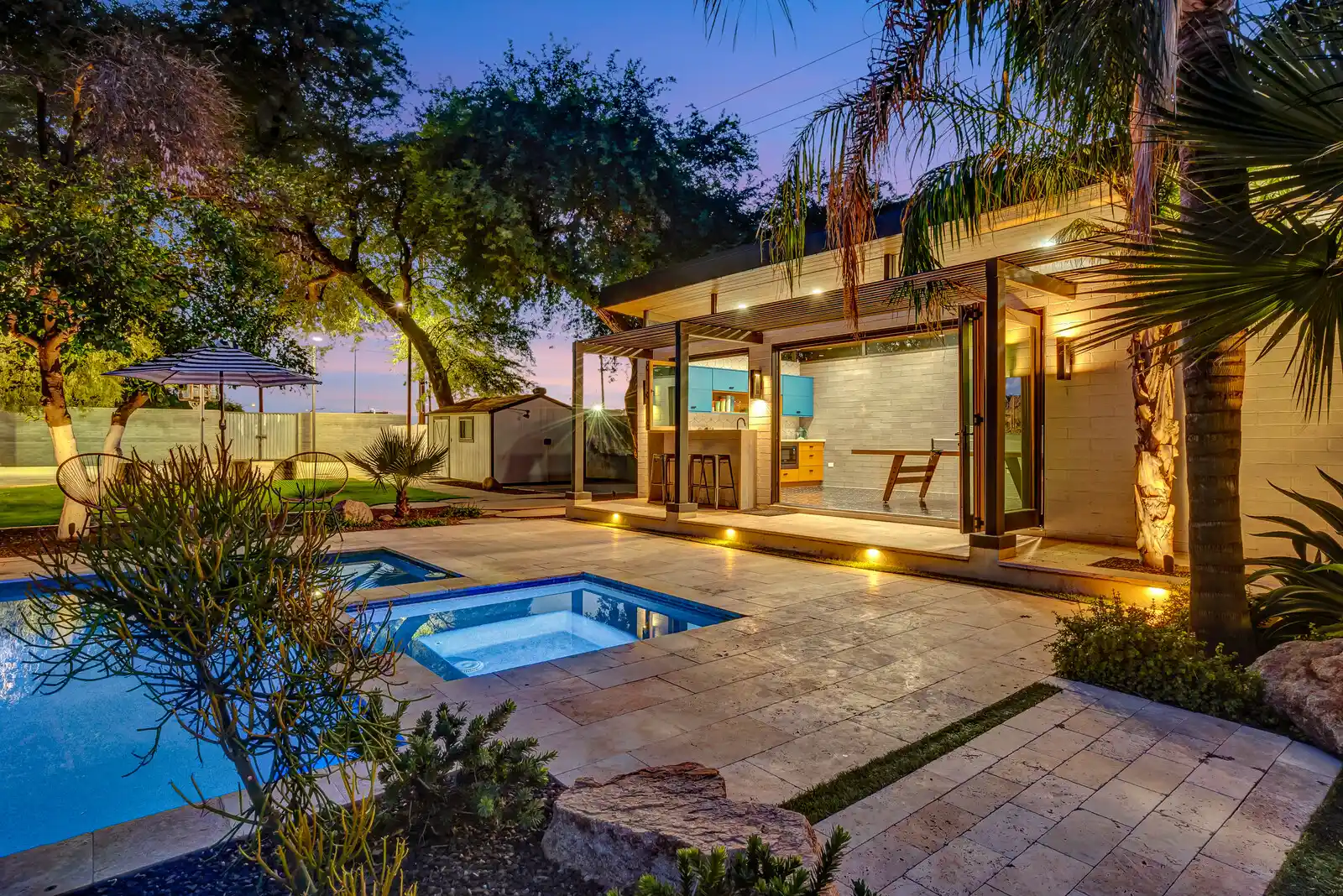
Travelers are thinking more carefully about where they stay and how that choice affects the planet. Sustainable vacation rentals are quickly moving from a niche preference to a mainstream expectation. Guests want comfort and convenience, but they also want to feel good about their footprint.
The short-term rental industry is responding fast. Property managers, owners, and booking platforms are all leaning into eco-friendly upgrades, smarter energy use, and more responsible operations. For destinations like Scottsdale and the broader Greater Phoenix area, where sunshine is abundant and water conservation is critical, these trends carry real, everyday meaning.
Whether you are a guest planning your next Arizona getaway or a property owner looking to stay competitive, understanding these shifts can help you make smarter decisions. Here is a look at the sustainability trends reshaping vacation rentals right now.
Why Sustainability Matters in Short-Term Rentals
Short-term rentals have grown enormously over the past decade. More properties mean more energy consumption, more water use, and more waste. Because of this, the industry has come under pressure to operate more responsibly.
For guests, sustainability is increasingly tied to quality. A well-managed, eco-conscious property often signals a host who pays attention to detail. For owners, going green can reduce operating costs and attract a growing segment of environmentally aware travelers.
The Arizona Context
Arizona presents a unique backdrop for this conversation. The desert climate means air conditioning runs hard, water is a precious resource, and solar potential is almost unmatched anywhere in the country. Therefore, sustainability upgrades in Phoenix-area rentals are not just trendy — they are genuinely practical.
Reducing energy waste in a market where summer temperatures routinely exceed 110°F makes a measurable difference on utility bills. Meanwhile, water-conscious landscaping and low-flow fixtures help protect a resource that the entire region depends on.
Top Sustainability Trends Shaping Vacation Rentals
1. Energy Efficiency Upgrades
Smart thermostats are one of the most widely adopted upgrades in short-term rentals today. They allow property managers to set efficient temperature schedules between guest stays, cutting unnecessary energy use without sacrificing comfort during a booking.
LED lighting throughout a property is another straightforward improvement. It lowers electricity consumption and reduces how often bulbs need to be replaced. Furthermore, energy-efficient appliances — especially in fully equipped kitchens — are becoming a standard expectation rather than a bonus feature.
In Arizona, solar panel installations are gaining traction among property owners as well. The combination of strong year-round sunlight and rising electricity costs makes solar a compelling long-term investment for rental homes across Scottsdale, Phoenix, Tempe, Mesa, and Glendale.
2. Water Conservation Practices
Water scarcity is a defining issue across the American Southwest. As a result, vacation rental operators in the Greater Phoenix area are increasingly installing low-flow showerheads, faucets, and toilets. These fixtures reduce water use significantly without any noticeable drop in the guest experience.
Drought-tolerant landscaping is also on the rise. Many rental properties are replacing traditional grass lawns with native desert plants and gravel designs. This approach dramatically cuts outdoor water use and fits naturally into the Arizona aesthetic guests already love.
3. Eco-Friendly Amenities and Supplies
Guests are noticing what products are stocked in a rental. There is a growing move away from single-use plastic toiletries toward refillable dispensers filled with natural, biodegradable products. On the other hand, properties that still offer rows of single-use plastic bottles are starting to stand out — for the wrong reason.
Providing recycling bins with clear instructions, using biodegradable cleaning products, and stocking reusable bags in the kitchen are all small touches that guests increasingly appreciate. These details signal that a host cares about the same things their guests care about.
4. Smarter Waste Management
Proper waste sorting and recycling infrastructure is becoming a baseline expectation. Many professionally managed rentals now offer clearly labeled bins for recycling, compost, and landfill waste. Simple laminated guides help guests sort correctly without any guesswork.
Additionally, some operators are partnering with local services that handle composting, diverting food waste from landfills entirely. In a high-turnover environment like a vacation rental, reducing the volume of waste sent to the landfill after each checkout adds up quickly over a full year.
What Guests Are Looking For
Surveys consistently show that a significant share of travelers actively seek out eco-friendly accommodations. However, most guests are not willing to trade comfort for sustainability. They want both.
This is actually good news for well-managed rentals. A property that uses smart technology, quality fixtures, and thoughtful amenities already tends to be more sustainable by design. The overlap between a great guest experience and an eco-conscious operation is larger than many people assume.
Sustainability as a Differentiator
In competitive markets like Scottsdale and Phoenix, standing out on booking platforms matters. Listings that highlight energy-efficient features, water conservation measures, or eco-friendly supplies attract attention from a growing audience. For example, even a simple mention of a smart thermostat or refillable bath products can influence a traveler choosing between two similar properties.
Moreover, guests who care about sustainability tend to leave detailed, positive reviews when a property lives up to expectations. Those reviews build long-term credibility and improve search visibility on major platforms.
What Property Owners Can Do Now
You do not need to overhaul your entire property overnight. In fact, starting with a few high-impact changes often delivers the best return. Here are some steps worth considering:
- Install a smart thermostat to manage energy use between stays automatically.
- Switch to LED lighting throughout the home to cut electricity costs.
- Add low-flow fixtures in bathrooms and the kitchen to reduce water consumption.
- Replace single-use toiletries with refillable, biodegradable dispensers.
- Set up a clear recycling station so guests can sort waste easily during their stay.
- Consider drought-tolerant landscaping if your property has outdoor space.
Next, think about how these upgrades are communicated to guests. Updating your listing description and photos to reflect these features helps attract the right travelers and sets accurate expectations before arrival.
How Tuckedin Approaches Property Care in Arizona
At Tuckedin, every property is managed by a local team that understands the Arizona market from the ground up. That includes knowing what guests expect, what helps properties perform, and how thoughtful management choices — including sustainability-minded ones — contribute to a better overall experience.
Each Tuckedin home features hotel-quality amenities, fully equipped kitchens, fresh linens, modern furnishings, and seamless keyless check-in. The focus is always on delivering a smooth, comfortable stay. As sustainability standards rise across the industry, that same attention to detail naturally extends to how properties are equipped and maintained.
For property owners across Scottsdale, Phoenix, Tempe, Mesa, and Glendale, working with a full-service management team means these operational decisions are handled with expertise. From furnishing choices to supply sourcing, every detail is considered. Contact our team to learn how Tuckedin can help you manage your property with the care and professionalism your investment deserves.
Final Thoughts
Sustainability in vacation rentals is not a passing trend. It reflects a genuine, lasting shift in how travelers think about their choices and how property owners think about their responsibilities. For the Greater Phoenix and Scottsdale market, where energy and water are especially valuable, these changes make both environmental and financial sense.
Finally, the best news is that sustainable practices and exceptional guest experiences go hand in hand. When a property is well-managed, thoughtfully equipped, and operated with care, it tends to be greener — and guests tend to notice.


