

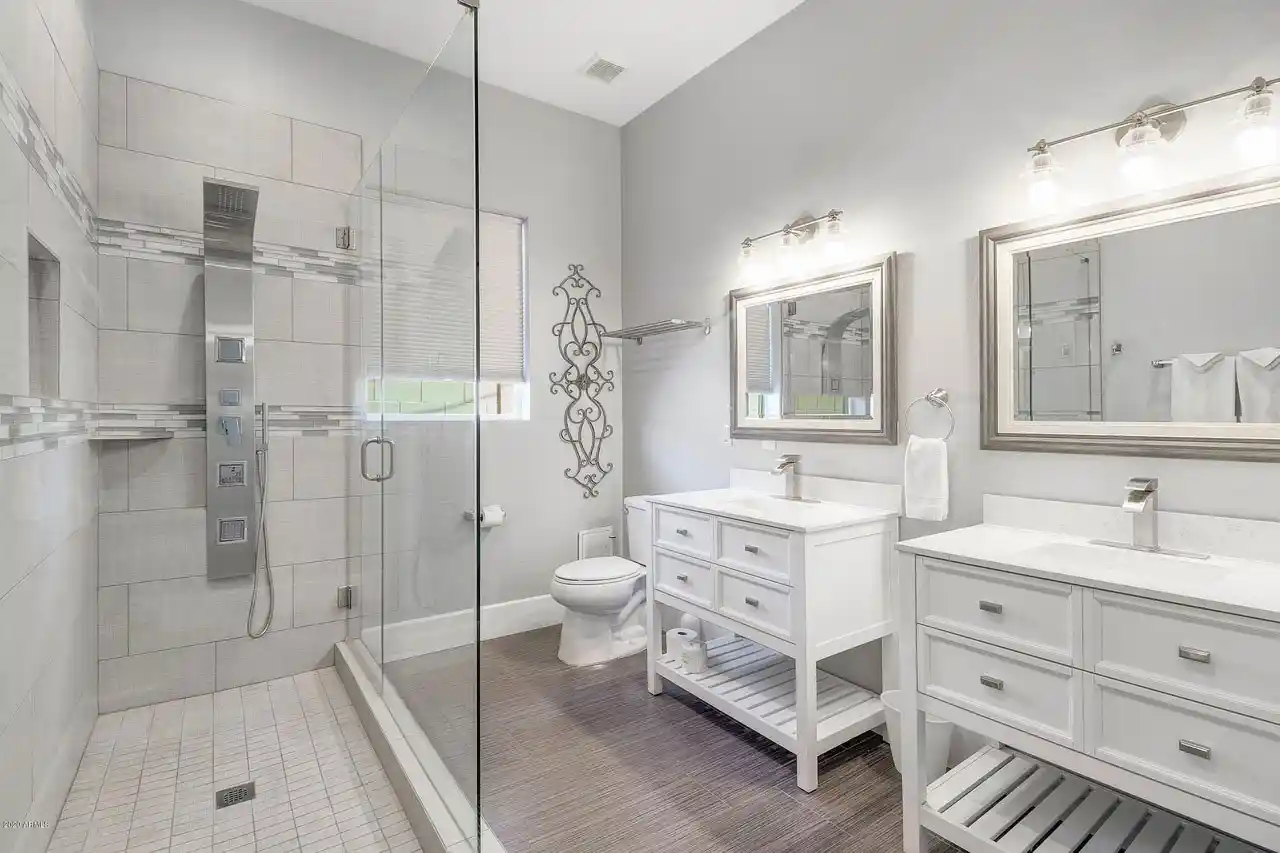
A great property can sit empty for weeks if the listing doesn’t do it justice. In a competitive market like Greater Phoenix and Scottsdale, your listing is often the very first impression a traveler gets. That makes it one of the most powerful tools you have. These vacation rental listing tips will help you write descriptions that grab attention, build trust, and turn browsers into bookings.
Most travelers scan listings quickly. They’re looking for specific details, clear photos, and a sense of what staying there actually feels like. If your listing is vague, cluttered, or hard to read, they’ll move on without a second thought. A well-written listing, on the other hand, can make your property stand out even on a crowded platform.
Whether you manage one property in Tempe or several across Mesa and Glendale, the same core principles apply. Good listings are clear, honest, and specific. Here’s how to write one that works.
Start With a Title That Sells the Experience
Your title is the first thing a traveler reads. It needs to be specific enough to be useful and compelling enough to earn a click. Generic titles like “Nice Home in Phoenix” don’t give travelers a reason to choose your property over the dozens of others nearby.
Use Descriptive, Benefit-Driven Language
Think about what makes your property special. Is it steps from Old Town Scottsdale? Does it have a private pool? Is it a sleek, modern retreat with a chef’s kitchen? Lead with that. A title like “Modern 3BR Retreat With Private Pool Near Old Town Scottsdale” tells the reader exactly what they’re getting and who it’s for.
Additionally, keep your title under 50 characters when possible. Platforms often truncate longer titles in search results. Shorter, punchier titles tend to perform better on mobile, where most travelers are browsing.
Avoid Overused Buzzwords
Words like “cozy,” “charming,” and “hidden gem” appear in thousands of listings. They don’t add real information. Instead, describe the actual details. “Cozy living room” becomes “living room with plush sofas, smart TV, and blackout curtains.” That kind of specificity builds trust and helps travelers picture themselves there.
Write a Description That Paints a Picture
Once a traveler clicks on your listing, the description has to keep them engaged. Think of it as a guided tour in words. Walk the reader through the space, highlight the best features, and make sure they understand exactly what’s included.
Start with the strongest selling points. Don’t bury the private pool or the rooftop patio in the third paragraph. Lead with what makes your property worth booking. Then work your way through the bedrooms, bathrooms, kitchen, and outdoor spaces in a logical order.
Be Specific About Amenities
Travelers want to know the details. Don’t just say “fully equipped kitchen.” Say “fully equipped kitchen with a gas range, stainless steel appliances, a Keurig, and everything you need to cook a full meal.” The more specific you are, the more confident a traveler feels before they book.
For example, properties managed by Tuckedin include tasteful furnishings, fresh linens, bath amenities, a washer and dryer, keyless check-in, fast WiFi, and air conditioning — all things worth calling out clearly in your listing because guests are actively searching for them.
Highlight the Location
Location is one of the top factors travelers consider. Don’t just name the city. Describe what’s nearby and how far away it is. For properties in the Phoenix metro, mention proximity to specific attractions, neighborhoods, sports venues, or business districts. Phrases like “10 minutes from Scottsdale Fashion Square” or “walking distance to Tempe Town Lake” give travelers a real sense of place.
Furthermore, mention what kind of traveler your property suits best. A spacious Mesa home near freeways might appeal to families or corporate travelers. A sleek studio in downtown Phoenix might be perfect for solo business trips or weekend getaways. Help the right guests self-select.
Use Formatting to Make Your Listing Scannable
Most travelers don’t read listings word for word. They scan. If your description is one long block of text, key details get lost. Break it up so the most important information is easy to find at a glance.
Use Short Paragraphs and Bullet Points
Keep paragraphs to two or three sentences. Use bullet points to list amenities, house rules, and nearby attractions. This makes your listing easier to read and helps travelers quickly confirm that your property has what they need.
Here’s a simple structure that works well:
- Opening paragraph: Hook the reader with your property’s best features and vibe.
- Space overview: Walk through the layout room by room.
- Amenities list: Use bullet points for clarity and completeness.
- Location highlights: Mention what’s nearby and how far it is.
- Guest suitability: Note who the property is best for.
- House rules and check-in info: Set expectations upfront.
Front-Load the Best Information
Many platforms collapse long descriptions behind a “read more” button. Because of this, you want your strongest content in the first two or three sentences. Don’t save the best for last. Lead with what makes your property worth booking and let the rest of the description fill in the details.
Set the Right Expectations to Earn Better Reviews
One of the most overlooked vacation rental listing strategies is honesty. A listing that overpromises and underdelivers leads to disappointed guests and negative reviews. A listing that accurately represents the property builds trust and sets you up for five-star stays.
If your property is a cozy one-bedroom, don’t imply it’s a spacious retreat. If the nearest grocery store is a short drive away, mention it. Transparency helps guests arrive with the right mindset. They’re more likely to enjoy the stay and leave a positive review when reality matches expectations.
Address Common Guest Questions in the Description
Think about the questions guests ask most often and answer them directly in your listing. Is parking included? Is there a hot tub? Are pets allowed? How does check-in work? Answering these upfront reduces pre-booking messages and gives travelers the confidence to book without hesitation.
Moreover, mentioning keyless check-in, 24/7 support availability, or a local team ready to help can be a real differentiator. Travelers want to know someone is looking out for them, especially in an unfamiliar city.
Keep Your Listing Fresh and Accurate
A listing isn’t something you write once and forget. The best-performing listings are updated regularly. If you’ve added a new patio set, upgraded the kitchen appliances, or refreshed the furnishings, update the description to reflect that. Stale listings can actually hurt your search ranking on major platforms.
Also, review your listing seasonally. In Arizona, travelers come for different reasons at different times of year. In winter, snowbirds and travelers escaping cold climates dominate bookings. In spring, baseball fans flock to the Phoenix metro for Cactus League games. In summer, budget-conscious travelers look for deals. Tailor your language to the season and the audience you’re trying to reach.
Monitor Competitor Listings
Search for properties similar to yours on popular platforms and see how they’re positioned. Notice what they highlight, how they structure their descriptions, and where they fall short. This gives you a clear picture of what guests are seeing when they compare options — and where your listing can stand out.
Finally, pay attention to your reviews. Guest feedback often reveals what they valued most about the stay or what surprised them. Use that insight to sharpen your listing so future guests know exactly what to expect and what to look forward to.
Ready to Put These Tips Into Action?
Writing a great vacation rental listing takes time, strategy, and attention to detail. But the effort pays off in more bookings, better guest experiences, and stronger reviews over time. Whether you’re just starting out or looking to improve an existing listing, these tips give you a solid foundation to work from.
If you’d rather leave the listing strategy, guest communication, and property management to a professional team, we’re here to help. Contact our team at Tuckedin to learn how full-service vacation rental management works in Phoenix, Scottsdale, Tempe, Mesa, and Glendale — and get a free revenue estimate for your property.


