

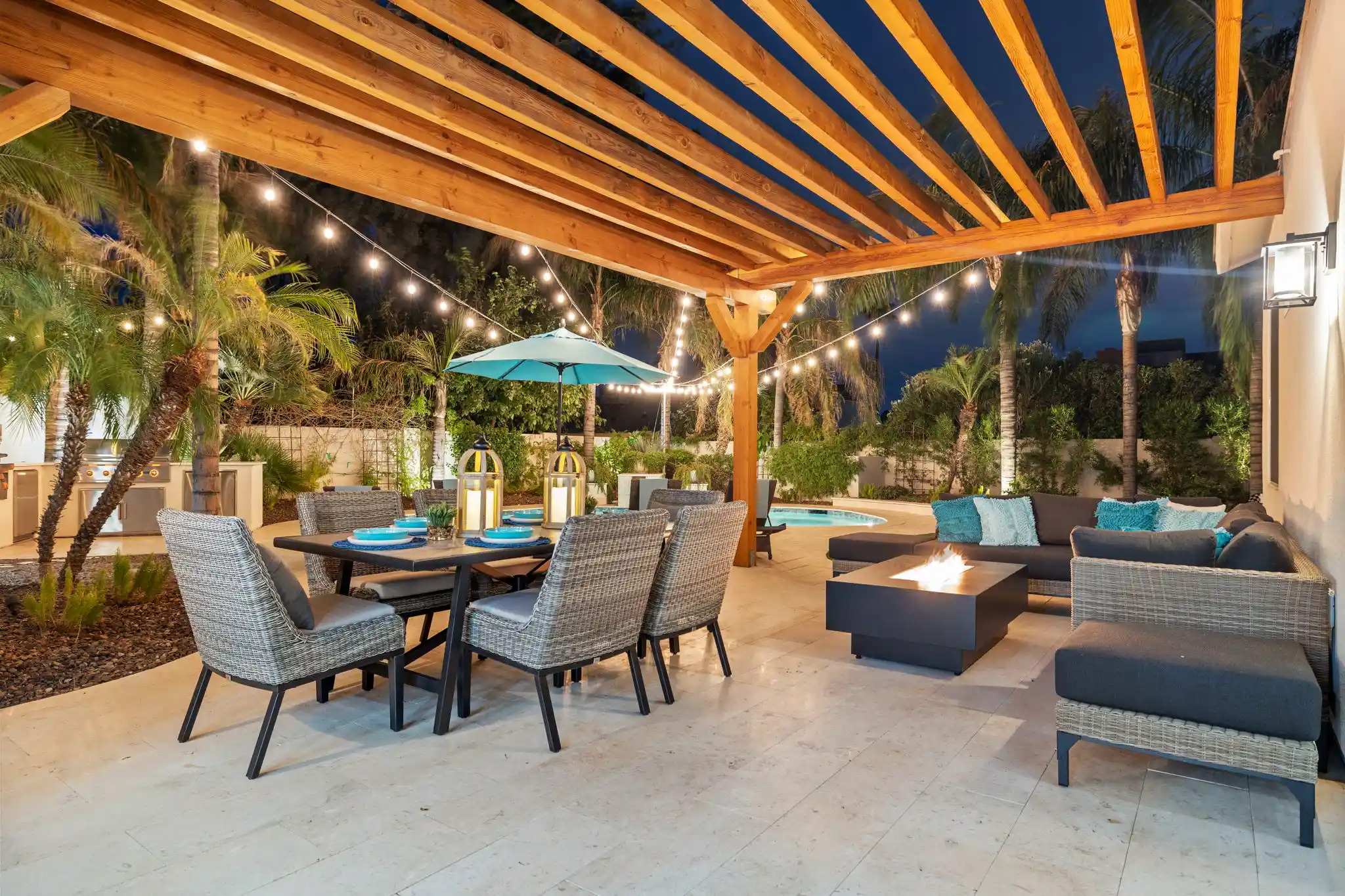
If you own a short-term rental in Phoenix, you already know the competition is real. Hundreds of listings compete for the same guests every single weekend. Airbnb listing optimization is the process of fine-tuning your property’s profile so it ranks higher in search results, attracts more clicks, and converts browsers into confirmed bookings. Done right, it can meaningfully improve your occupancy rate and revenue.
The Greater Phoenix and Scottsdale market is one of the most active short-term rental markets in the Southwest. Travelers come for spring training, golf, corporate events, bachelorette weekends, and year-round sunshine. That demand is a real opportunity — but only if your listing is positioned to capture it.
This guide walks Phoenix-area property owners through the core elements of a high-performing Airbnb listing. From your title and photos to your pricing strategy and guest communication, every detail matters more than most owners realize.
Start With a Title That Gets Clicks
Your listing title is the first thing a potential guest sees in search results. It needs to do two things quickly: communicate what makes your property special and speak directly to the type of traveler you want to attract.
Airbnb gives you a limited number of characters, so every word has to earn its place. Generic titles like “Cozy Phoenix Home” don’t stand out. Instead, lead with your strongest selling point. Think about what a guest is actually searching for.
Use Descriptive, Specific Language
Strong titles often highlight a combination of location, standout features, and the guest experience. For example, a home near Old Town Scottsdale might reference proximity to the entertainment district. A property in Tempe near ASU or a major venue should mention that context.
Consider including details like:
- A private pool or heated spa
- Proximity to a specific landmark, stadium, or neighborhood
- Unique amenities such as a game room or outdoor kitchen
- The number of bedrooms if you have a larger home
Additionally, avoid using all caps or excessive punctuation. Airbnb’s algorithm and real guests both respond better to clean, readable titles.
Photos Are Your Most Powerful Conversion Tool
No single element of your listing has more impact on booking decisions than your photos. Guests make fast, visual judgments. If your photos look dark, cluttered, or amateur, they will scroll past your listing — regardless of how great your property actually is.
Professional photography is not optional in a competitive market like Phoenix or Scottsdale. It is one of the highest-return investments a short-term rental owner can make.
What a Strong Photo Set Looks Like
A well-optimized listing typically includes 25 to 40 photos covering every room and key feature. Here is what to prioritize:
- Lead with your best exterior or living space shot. The cover photo determines whether guests click at all.
- Shoot during the day with natural light. Arizona’s sunshine is an asset — use it.
- Stage the space before shooting. Remove personal items, add fresh towels, and style the kitchen counters simply.
- Showcase outdoor spaces. Patios, pools, and desert landscaping are major selling points in the Phoenix market.
- Capture the details. Quality linens, a fully equipped kitchen, and a keyless entry setup all build guest confidence.
Furthermore, update your photos seasonally if your outdoor spaces change. A pool photo taken in summer heat looks very different from one taken in winter when the landscaping is lush and green.
Write a Description That Sells the Experience
Your listing description is where you turn interest into a booking. Many owners make the mistake of listing features without connecting them to how a guest will actually feel staying there. Instead, write from the guest’s perspective.
Lead your description with the most compelling reason to book your specific property. Then move into the details — layout, amenities, parking, check-in process — in a logical order. Break up long paragraphs so the listing is easy to scan on a phone.
Highlight What Phoenix Travelers Care About
Guests booking in the Greater Phoenix area have specific priorities. Because of this, your description should speak directly to common needs:
- Air conditioning: Phoenix summers are intense. Reassure guests that your home has reliable, modern cooling.
- Parking: Mention whether you offer a driveway, garage, or street parking — and how many vehicles fit.
- Pool access: If you have a private or shared pool, lead with it. It is one of the top search filters in this market.
- Proximity to events: Note nearby venues, sports stadiums, golf courses, or entertainment districts relevant to your location.
- Self check-in: Keyless entry is a strong selling point. Guests appreciate flexibility, especially late arrivals.
Meanwhile, keep your language warm and welcoming rather than stiff or corporate. You want guests to feel excited about their stay before they even book.
Pricing Strategy: Stay Competitive Without Leaving Money Behind
Pricing is one of the most complex parts of short-term rental management. Set your rates too high and you lose bookings. Set them too low and you sacrifice revenue you could have earned. Neither outcome is good for your bottom line.
Effective pricing in the Phoenix market requires dynamic adjustment based on season, local events, day of the week, and competitor rates. Flat, static pricing is one of the most common — and costly — mistakes that independent hosts make.
Understand Phoenix’s Seasonal Demand Patterns
Phoenix and Scottsdale have distinct high and low seasons. Winter and spring bring snowbirds, spring training crowds, major golf tournaments, and conference travelers. Summer demand softens as temperatures rise. However, summer weekends near certain amenities — like properties with private pools — can still perform well with the right strategy.
Key periods to account for in your pricing calendar include:
- MLB Spring Training (February through March)
- Major golf events like the Waste Management Phoenix Open
- New Year’s Eve and holiday weekends
- Barrett-Jackson and other large annual events
- ASU graduation and college move-in periods (for Tempe properties)
On the other hand, booking too far in advance at fixed rates during peak season means missing rate increases as demand builds. A dynamic pricing approach adjusts your nightly rate automatically based on real-time data.
Optimize Your Listing Settings and Policies
Beyond the content of your listing, the settings you choose directly affect how Airbnb’s algorithm ranks and surfaces your property. These are often overlooked, but they matter significantly.
Minimum Stay Requirements
Many owners set minimum stays of two or three nights to reduce turnover. That is a reasonable choice. However, overly strict minimums can block bookings during periods when one-night stays are in high demand — like weeknight corporate travel or event-adjacent bookings. Test different minimums across seasons to find the right balance for your market.
Cancellation Policy
A flexible or moderate cancellation policy typically increases booking conversion. Guests booking months in advance — especially families — are more likely to commit if they know they have some protection. In a high-demand market like Scottsdale, a stricter policy may be appropriate for peak dates, but flexibility can drive more bookings during shoulder seasons.
Response Rate and Speed
Airbnb rewards hosts who respond quickly. A high response rate and fast reply time improve your search ranking and your chances of earning Superhost status. Superhost properties receive additional visibility and a badge that many guests actively look for. Therefore, aim to respond to inquiries within an hour whenever possible.
Reviews: The Engine Behind Long-Term Performance
No amount of listing optimization replaces the power of strong, consistent reviews. Guests trust other guests. A listing with dozens of five-star reviews will outperform a beautifully written listing with only a handful of reviews every time.
The best way to earn great reviews is to deliver a great guest experience. That means a spotlessly clean home, accurate listing details, clear communication, and responsive support when something goes wrong.
How to Build Your Review Base
First, make sure your listing sets accurate expectations. Overpromising and underdelivering is the fastest way to earn a negative review. Next, send a thoughtful welcome message with everything guests need for a smooth arrival. Then follow up mid-stay with a brief check-in to make sure everything is going well. Finally, after checkout, send a prompt and personal review request.
Also, respond to all reviews — positive and negative. A professional, gracious response to a critical review often matters more to future guests than the review itself. It shows that you take your hosting seriously.
Full-Service Management Makes Optimization Sustainable
Optimizing an Airbnb listing is not a one-time task. It requires ongoing attention — updating photos, adjusting pricing, refining your description, monitoring reviews, and staying current with platform changes. For many property owners, that level of ongoing management is more time and effort than they can realistically commit to.
That is where professional short-term rental management makes a real difference. A local team with deep knowledge of the Phoenix and Scottsdale market can handle every aspect of your listing — from the initial setup and photography to dynamic pricing, guest communication, and housekeeping coordination.
Moreover, a well-managed property tends to earn better reviews, higher occupancy, and stronger nightly rates over time. The guest experience directly feeds listing performance, which feeds revenue. It is a cycle that compounds in your favor when every detail is handled well.
If you are ready to get more from your Phoenix-area vacation rental, contact the Tuckedin team to learn how full-service management can take the work off your plate while improving your property’s results.
Key Takeaways for Phoenix Property Owners
Airbnb listing optimization is not about tricks or shortcuts. It is about presenting your property accurately, attractively, and competitively so the right guests find and book it. In a market as active as Greater Phoenix and Scottsdale, the difference between a well-optimized listing and an average one can be significant.
To summarize the most important steps:
- Write a specific, benefit-driven title that speaks to your target guest
- Invest in professional photography that showcases your space at its best
- Write a description that connects features to the guest experience
- Use dynamic pricing to capture demand during peak periods
- Optimize your listing settings, policies, and response time
- Prioritize the guest experience to consistently earn strong reviews
- Consider professional management to make all of the above sustainable
The Phoenix short-term rental market rewards owners who pay attention to the details. Start with your listing, stay consistent, and the results will follow.


