

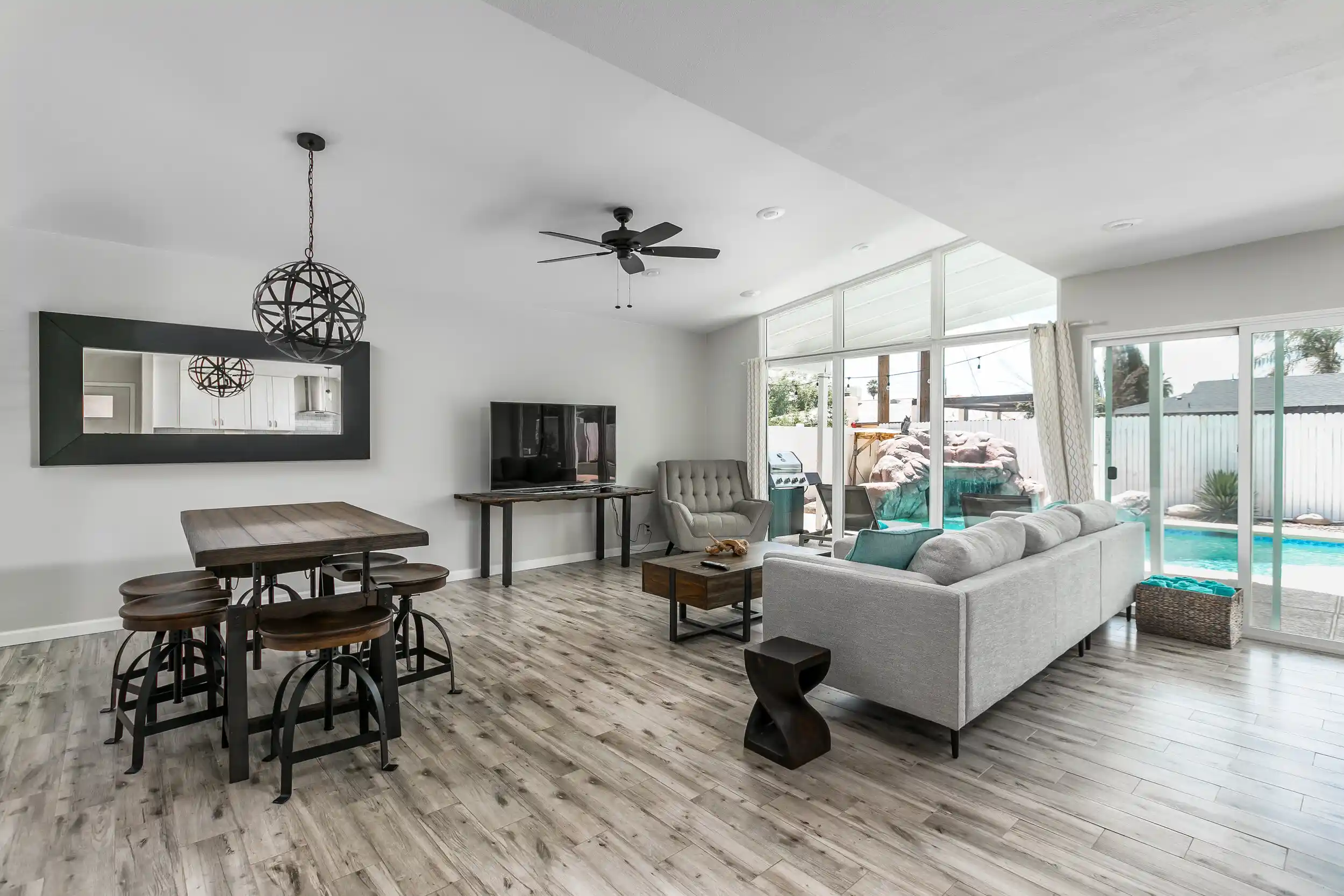
Managing a short-term rental is a lot of work. Between guest communication, cleaning coordination, pricing, and maintenance, most property owners quickly realize they need help. That’s where Airbnb co-hosting comes in — and in a market as competitive as Phoenix, having the right support can make all the difference.
Co-hosting is a flexible arrangement that allows a property owner to bring on a trusted partner to help manage their listing. However, not all co-hosting setups are created equal. Some offer minimal help, while others — like a full-service vacation rental management company — handle everything from top to bottom.
If you own a property in the Greater Phoenix area and you’re exploring your options, this guide will walk you through how co-hosting works, what to look for, and why many local owners choose a more comprehensive management solution instead.
What Is Airbnb Co-hosting?
Airbnb co-hosting is a feature built into the Airbnb platform that lets a primary host add one or more co-hosts to their listing. The co-host can take on tasks like responding to guest messages, managing check-ins, coordinating cleaners, and updating the calendar.
It sounds simple on the surface. In practice, though, the arrangement varies widely depending on who your co-host is and what they’re actually willing to do. Some co-hosts are friends or family members who help part-time. Others are professional property managers who treat it as a full-time service.
How Co-hosting Works on the Platform
When you add a co-host through Airbnb, you can assign them different levels of access. For example, they might only manage messages, or they might have full control over pricing, availability, and guest reviews. The primary host still owns the listing and is ultimately responsible for the property.
Co-hosts are typically paid a percentage of the booking revenue. That percentage varies, but it’s usually negotiated directly between the owner and the co-host. Airbnb itself does not regulate what co-hosts charge.
What Co-hosts Typically Handle
- Guest communication: Answering inquiries, sending check-in details, and responding to issues during a stay
- Check-in and check-out coordination: Managing keyless entry systems or meeting guests in person
- Cleaning oversight: Scheduling and confirming cleaning crews between stays
- Calendar management: Blocking dates, updating availability, and syncing across platforms
- Listing updates: Refreshing photos, descriptions, or pricing when needed
However, many informal co-hosts stop there. They may not offer dynamic pricing strategies, professional photography, revenue optimization, or hands-on maintenance support — all of which can meaningfully impact your earnings in a market like Phoenix.
The Phoenix Short-Term Rental Market: Why It Matters
Phoenix and the surrounding areas — including Scottsdale, Tempe, Mesa, and Glendale — represent one of the most active short-term rental markets in the United States. Demand surges during spring training, major sporting events, music festivals, and the cooler winter months when travelers escape colder climates.
Because of this, getting your listing right isn’t optional — it’s essential. A poorly managed listing in Phoenix can mean lost bookings, lower nightly rates, and negative guest reviews that are hard to recover from. On the other hand, a well-managed property can generate strong, consistent revenue year-round.
Seasonal Demand in Greater Phoenix
Phoenix sees distinct booking patterns throughout the year. Winter is peak season for snowbirds and leisure travelers. Spring brings sports fans for Cactus League spring training games. Fall offers a second wave of visitors escaping summer heat elsewhere.
A good co-host — or property manager — needs to understand these seasonal trends and adjust pricing accordingly. Static pricing leaves money on the table. Dynamic pricing, paired with a well-maintained listing, keeps your occupancy high and your revenue competitive.
Local Knowledge Makes a Real Difference
Managing a property remotely is challenging. Meanwhile, having someone on the ground in Phoenix means faster response times, better vendor relationships, and a more personal guest experience. Local teams know which cleaning crews are reliable, which maintenance contacts respond quickly, and what guests in the area actually expect.
This local advantage is something a distant or part-time co-host simply can’t replicate.
Co-hosting vs. Full-Service Property Management
This is the question most Phoenix property owners eventually face: Is a co-host enough, or do I need a full-service management company?
The honest answer depends on how involved you want to be. Airbnb co-hosting works well if you still want to stay hands-on and just need someone to share the load. However, if you want a truly passive investment — where your property runs smoothly without you lifting a finger — a full-service management partner is usually the better fit.
What Full-Service Management Includes
A professional vacation rental management company goes well beyond what a typical co-host offers. Here’s what that looks like in practice:
- Professional photography and listing optimization to attract more bookings
- Dynamic pricing tools that adjust your nightly rate based on demand, local events, and market data
- Multi-platform listing across Airbnb, Vrbo, and direct booking channels
- 24/7 guest support from a local team that knows the property
- Coordinated cleaning and inspections after every stay
- Maintenance coordination so small issues don’t become big problems
- Owner reporting with clear visibility into bookings, revenue, and expenses
Furthermore, a professional management company brings accountability. If something goes wrong, there’s a real team responsible for making it right — not just a friend who’s helping out when they have time.
The Trade-offs to Consider
Full-service management typically costs more than a casual co-hosting arrangement. Management fees vary by company and market, but they’re usually a percentage of gross booking revenue. In exchange, you get professional-level service and the time back in your day.
For many Phoenix property owners, that trade-off is well worth it — especially when a well-managed property consistently outperforms a self-managed or casually co-hosted one.
What to Look for in a Phoenix Co-host or Property Manager
Whether you’re leaning toward Airbnb co-hosting or full-service management, there are a few key things to evaluate before you commit to anyone.
Local Presence and Availability
First, make sure your co-host or manager is actually based in the Greater Phoenix area. Remote management creates gaps — slow response times, delayed maintenance, and guests who feel unsupported. A local team can be on-site quickly when something needs attention.
Transparent Communication
Next, look for someone who communicates clearly and consistently. You should always know what’s happening at your property. Ask about how they report to owners, how often you’ll hear from them, and what their process is when something goes wrong.
A Proven Track Record
Also, ask for references or reviews from other property owners they’ve worked with. Look at the listings they manage and read guest reviews. Strong guest reviews are a reliable indicator that a co-host or manager is doing their job well.
A Clear Agreement
Finally, make sure everything is in writing. Whether it’s a co-hosting arrangement through Airbnb or a management contract with a local company, clarity upfront prevents misunderstandings later. Know exactly what services are included, what the fees are, and what happens if you want to end the relationship.
How Tuckedin Supports Phoenix Property Owners
At Tuckedin, we built our entire approach around the idea that property owners deserve a genuinely full-service experience — not a patchwork of part-time help. We manage short-term rental properties across Scottsdale, Phoenix, Tempe, Mesa, and Glendale, and our local team is on the ground every day.
Every property we manage is set up to deliver a hotel-quality experience inside a comfortable home. That means professional furnishings, contemporary design, fully equipped kitchens, fresh linens and bath amenities, seamless keyless check-in, and a local support team available to guests whenever they need help.
For owners, we handle everything: listing creation and optimization, professional photography, dynamic pricing, multi-platform distribution, guest communication, cleaning coordination, maintenance, and detailed owner reporting. We also provide revenue estimates upfront so you can make an informed decision before signing anything.
Additionally, we bring deep knowledge of the Phoenix and Scottsdale market — including seasonal demand patterns, local regulations, and the amenities today’s travelers expect. That knowledge directly benefits your bottom line.
If you’re weighing Airbnb co-hosting against a more comprehensive solution, we’d love to walk you through what full-service management looks like for your specific property. Contact our team at Tuckedin to get started with a free revenue estimate and learn how we can help you make the most of your Phoenix rental.
Final Thoughts on Airbnb Co-hosting in Phoenix
Airbnb co-hosting can be a good starting point for property owners who want a little help without fully stepping back. However, in a competitive market like Phoenix, the difference between a casually co-hosted listing and a professionally managed one can be significant — in both revenue and guest experience.
As a result, many owners who start with a co-host eventually transition to a full-service management partner once they see what’s possible. The key is finding someone local, experienced, and genuinely committed to making your property succeed.
Whatever path you choose, the goal is the same: a well-managed property that earns strong reviews, attracts consistent bookings, and gives you peace of mind.


